Independent tabletop notes

Make room for the next turn.

A guide to creating a welcoming games night: first choices, explanations, pauses and the kind of hosting that leaves people room to arrive.
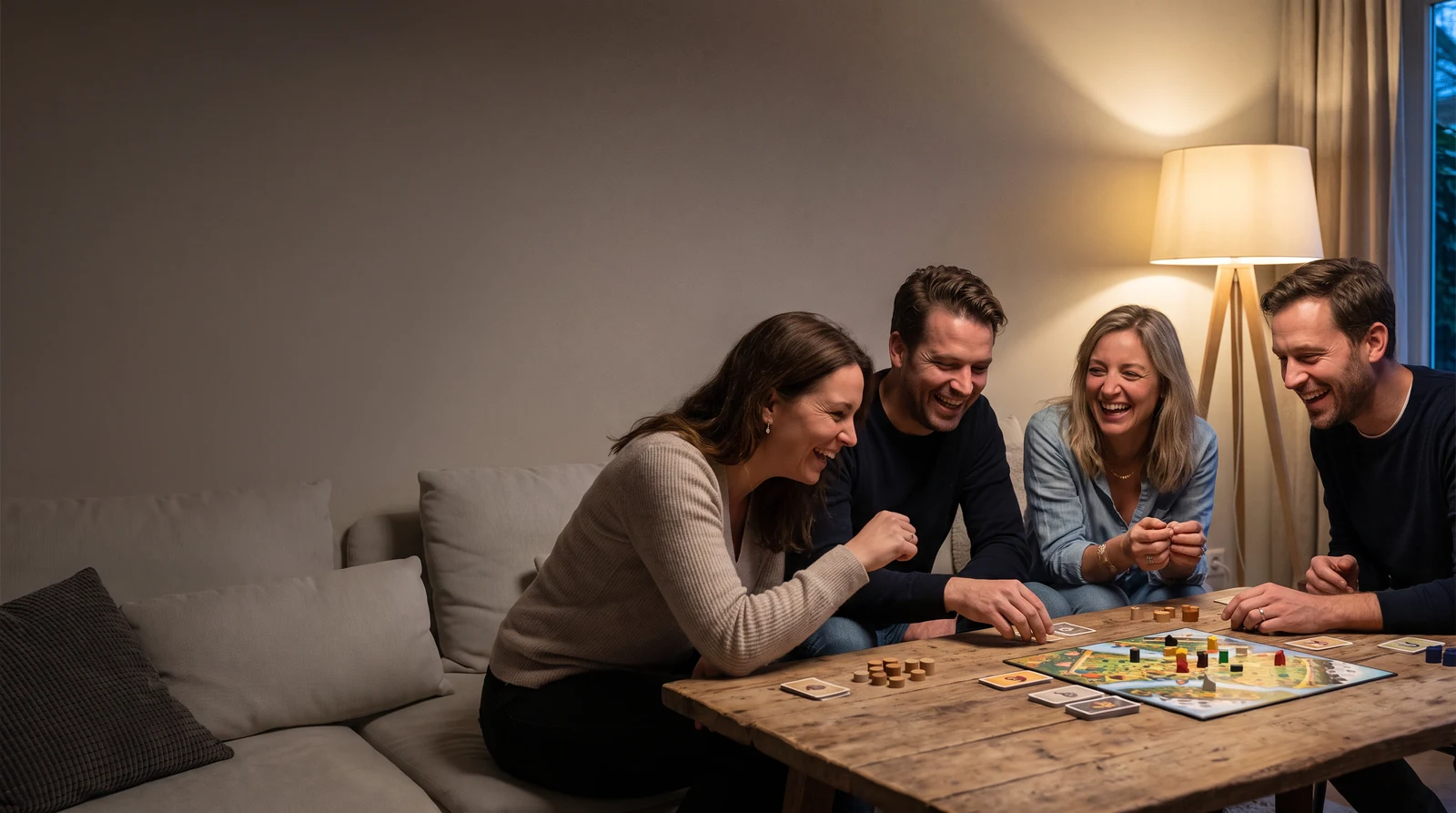
Friends enjoying a tabletop game around a table
Games are a reason to gather, not a test to pass.

Cavorelin

A project about the social side of the table.

Every game night begins before a box is opened. The welcome, the first explanation and the invitation to ask a question can change how comfortable a table feels. These notes focus on that human layer.

There are no guaranteed outcomes, perfect game choices or universal house rules. The useful work is noticing the group in front of you and leaving room to adjust.

See an evening roadmap

What to bring to a table

Four small hosting skills worth practising.

The aim is not to perform expertise. It is to make the next choice easy to see.

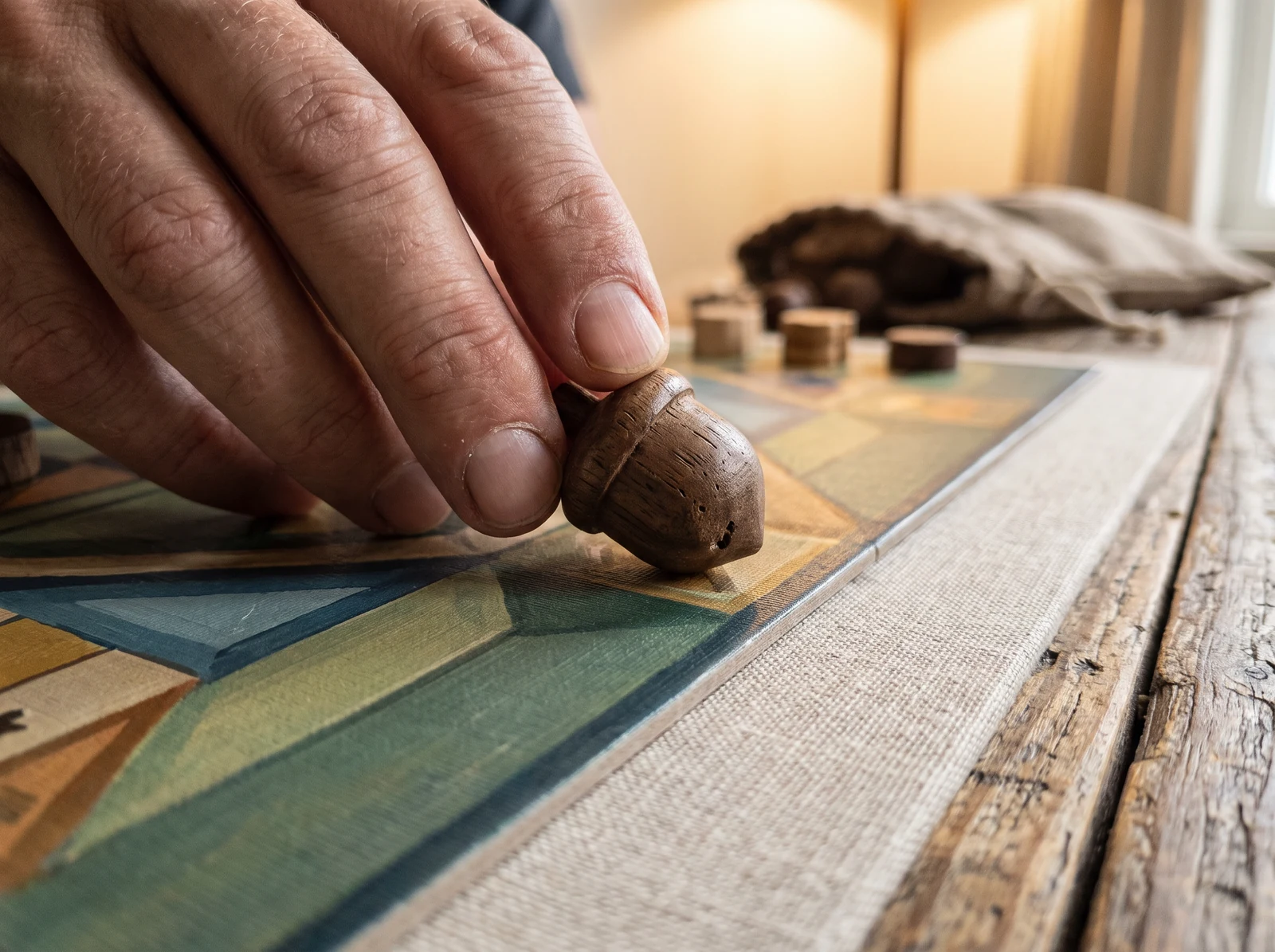
A hand moving a wooden game piece

Make the first move visible

Show a turn before explaining every exception. A concrete example gives people something they can follow.
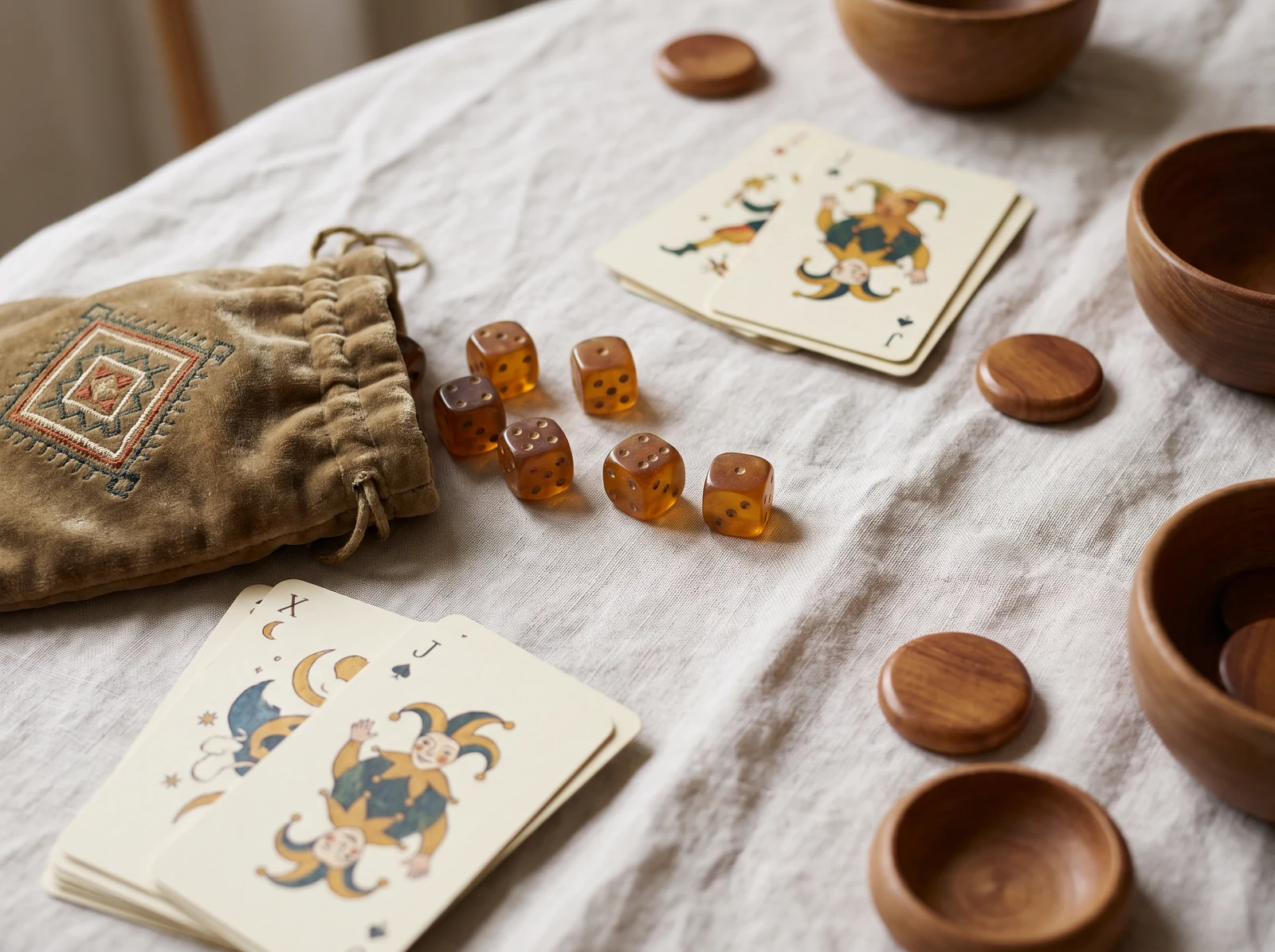
A tabletop still life of components

Keep the table scannable

Place the shared pieces and the next decision where everyone can see them without asking.
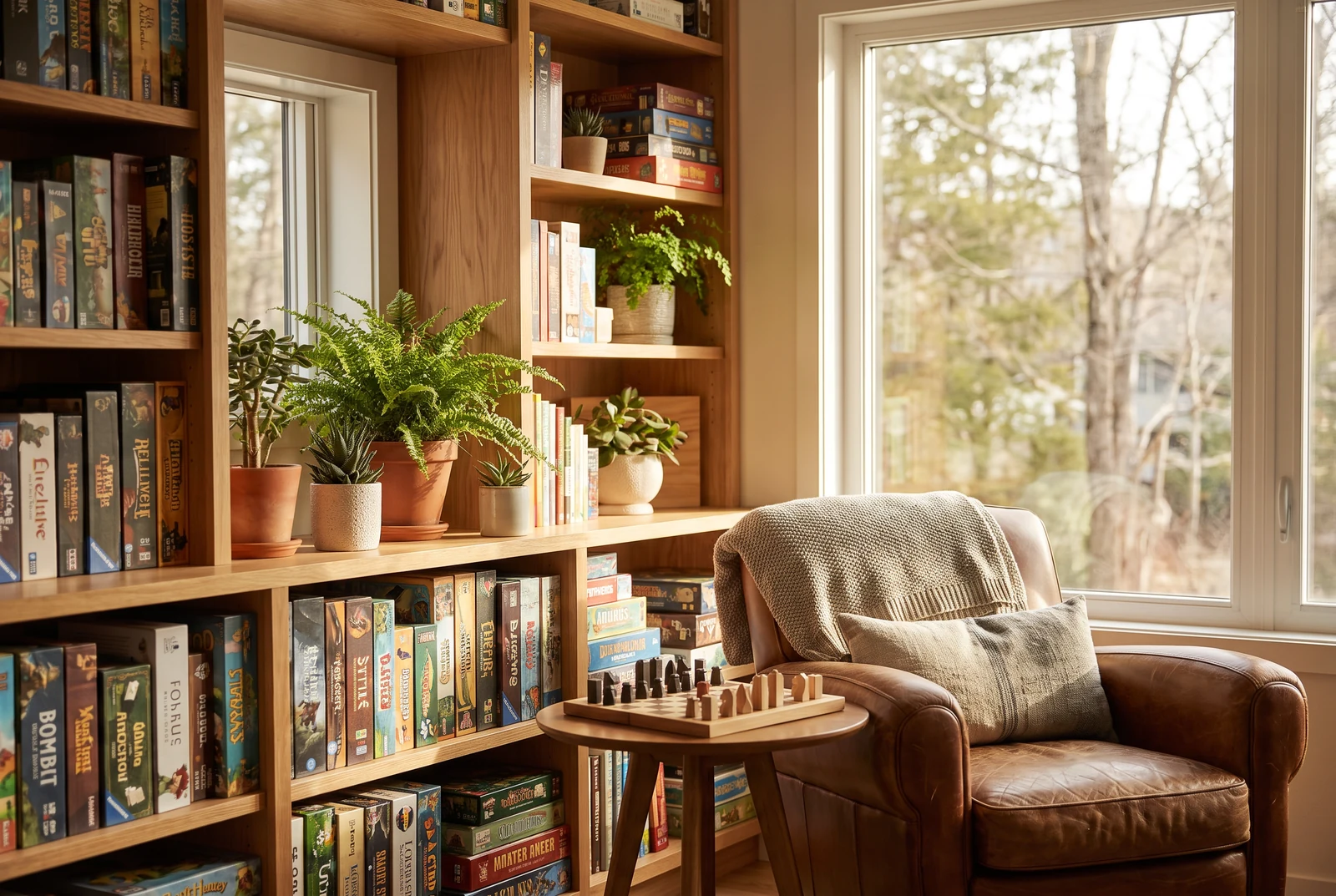
A library of board games

Offer a route, not a test

Give the group permission to choose a shorter game, a different pace or a pause.

What a considerate table holds

Three ingredients, not performance metrics.

01

A visible invitation

A place to sit, a clear next action and an easy way to join the conversation.

02

A shared explanation

The first rule appears in use, then other details arrive when they become useful.

03

A named pause

A group knows when it can stop, ask, stretch or reconsider the plan.
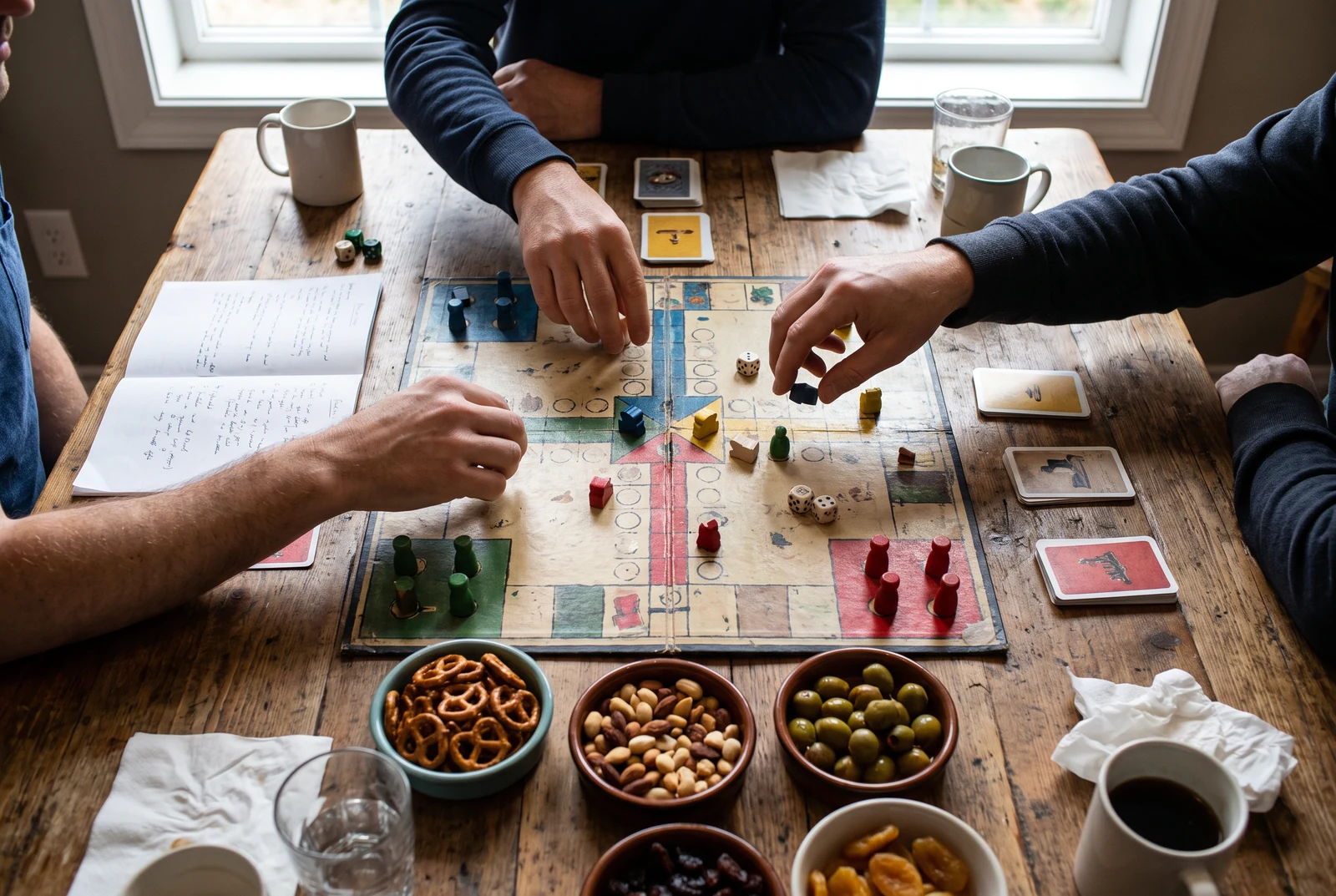
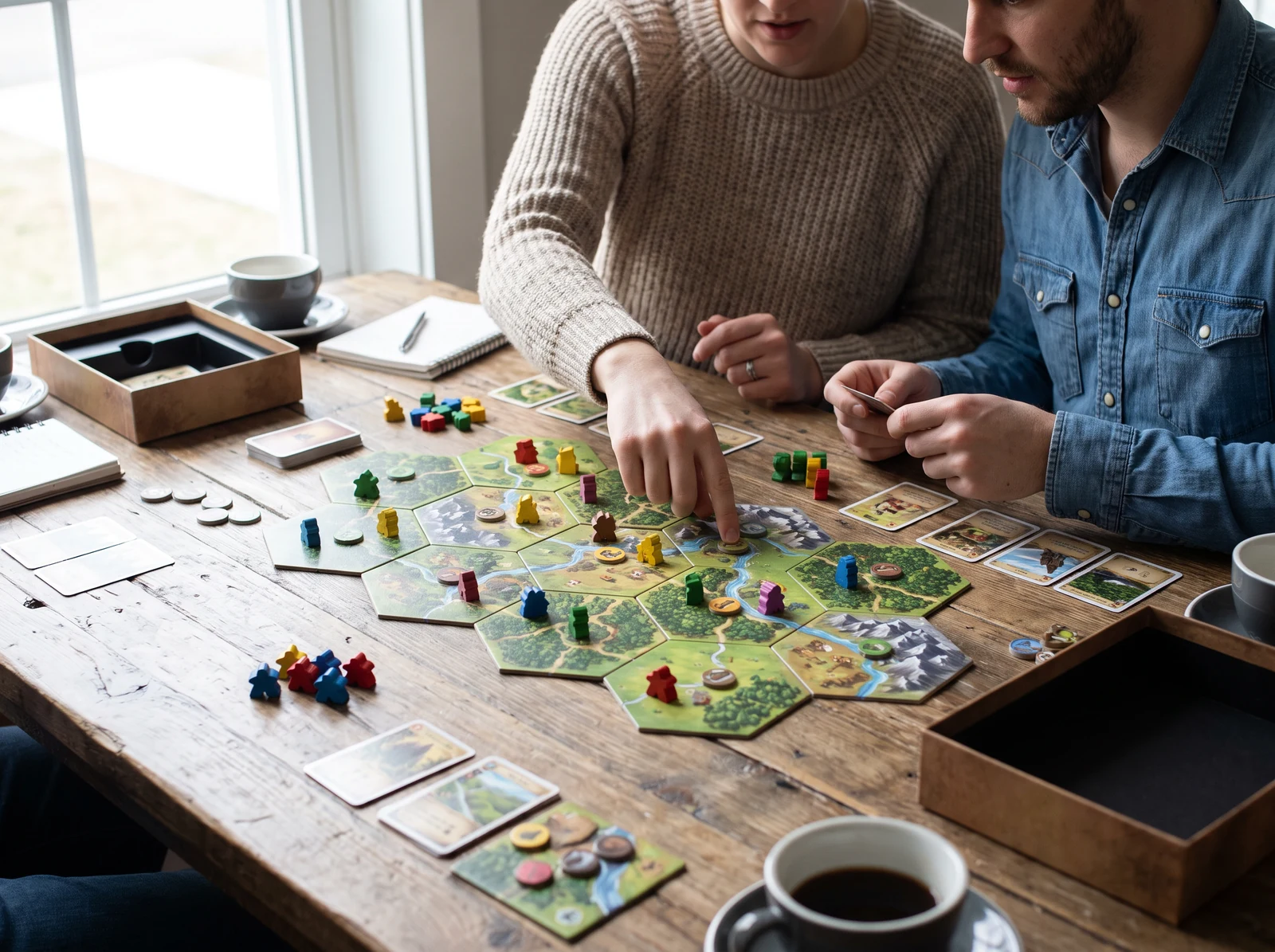
People sharing an overhead tabletop game
Attention belongs to the people as well as the pieces.

Why host with care

Good games nights can make the room feel larger.

  • A clearer entryPeople understand how to begin without being singled out.
  • More shared attentionThe group follows a common decision instead of competing for an explanation.
  • Permission to adaptA change of pace becomes a normal option rather than a failure.
  • Better memoriesThe evening can be remembered for connection, not only for the final score.

A games night roadmap

From the first hello to a natural ending.

Before the table

Set out one visible choice.

Keep the room simple: seats, drinks and a small invitation are enough before the first game begins.

Opening turn

Show before you explain.

Use a shared example so the group can see what a choice feels like in practice.

Midway check

Name the possibility of a pause.

Ask whether the current pace still fits the group instead of waiting for energy to drop.

Closing

Finish with a clear next invitation.

Let a table end without pressure and leave an easy route for another gathering.

Before and after

Small shifts in how a table feels.

Without a shared entry

“You should know this — it is really simple.”

Rules arrive as a wall of information. People may stay quiet even when the next step is not clear.

With a shared entry

“Let’s play one turn together, then see what questions show up.”

Everyone begins with the same visible example and the explanation can grow at the group’s pace.

Try a hosting prompt

Start with a gentle opening.

Let coats, drinks and conversation arrive before complexity. The first game can begin after the room has settled in.
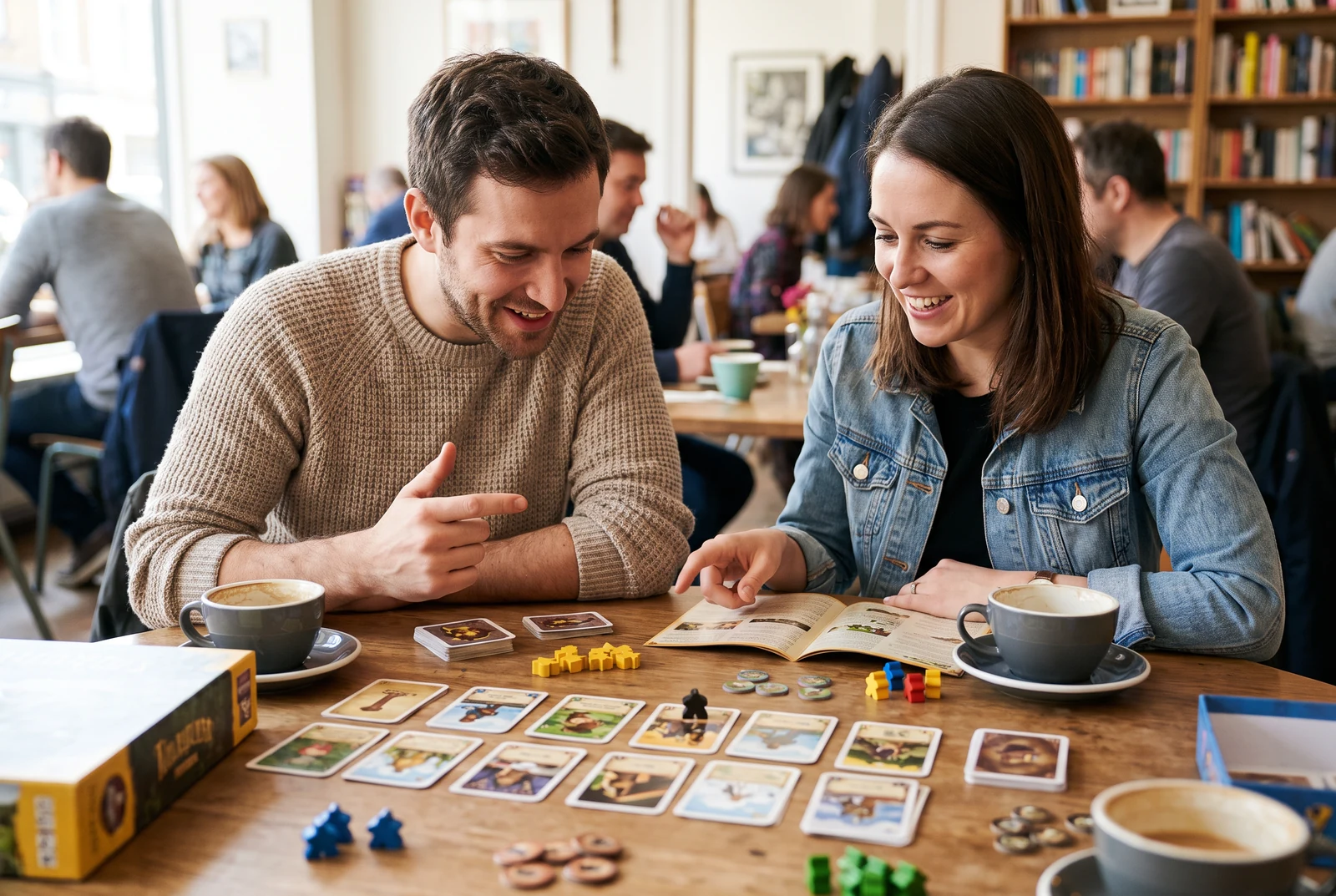
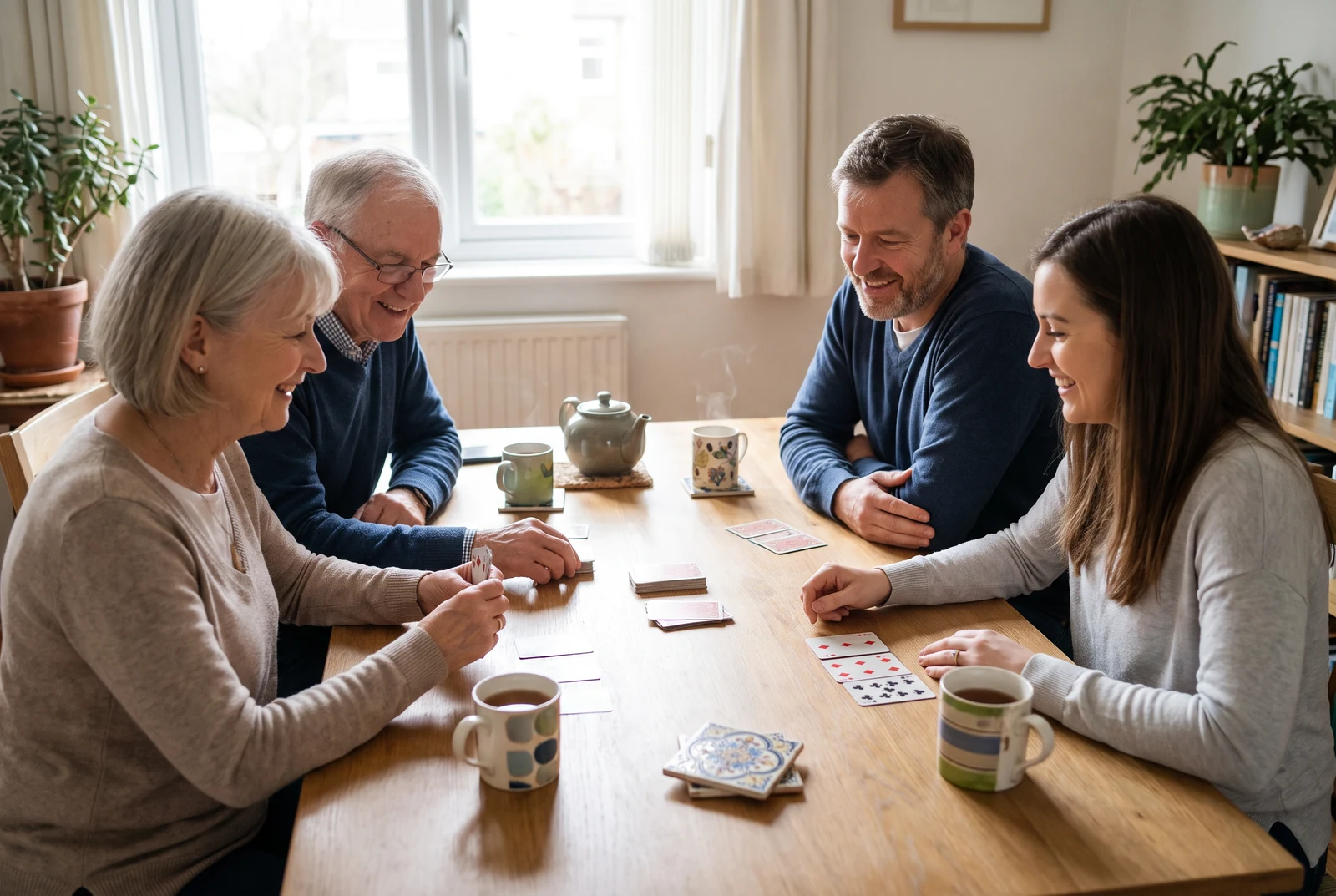
People learning a cooperative board game
A short prompt can change the atmosphere.

Guides in the room

Practical reading for a more welcoming table.

A cooperative tabletop game in progress

Group play

How to explain a cooperative game without taking over

Read the note

Host reminder

The room matters more than the planned runtime.

Leave space for the people in front of you to change the next move.

Share a general site note

Frequently asked questions

Ask the question before the next turn.

Begin with what the group wants from the evening: a light conversation, a shared puzzle or a longer challenge. A visible first turn and an invitation to learn as you go are often more useful than trying to identify the one perfect title.

Not always. Explain the common goal and first decision clearly, then introduce detail when it becomes relevant. People should know how to pause and ask, but an example often lands better than a full list of exceptions.

Treat the change as information, not a failure. Offer a natural pause and ask whether the group wants another round, a quieter activity or a different pace. Naming the option keeps the evening collaborative.

No. Cavorelin is independent hosting material. It does not sell games, take bookings or make availability claims. The form below exists only for browser-only general feedback about this website.

General contact

Keep a site question simple.

For ordinary feedback about this guide, use the local form or the placeholder email [email protected]. It is not an event booking, recommendation or purchase request.